
The arts sustain us as humans. But sustainability on this planet takes more than just art. We want to do both.
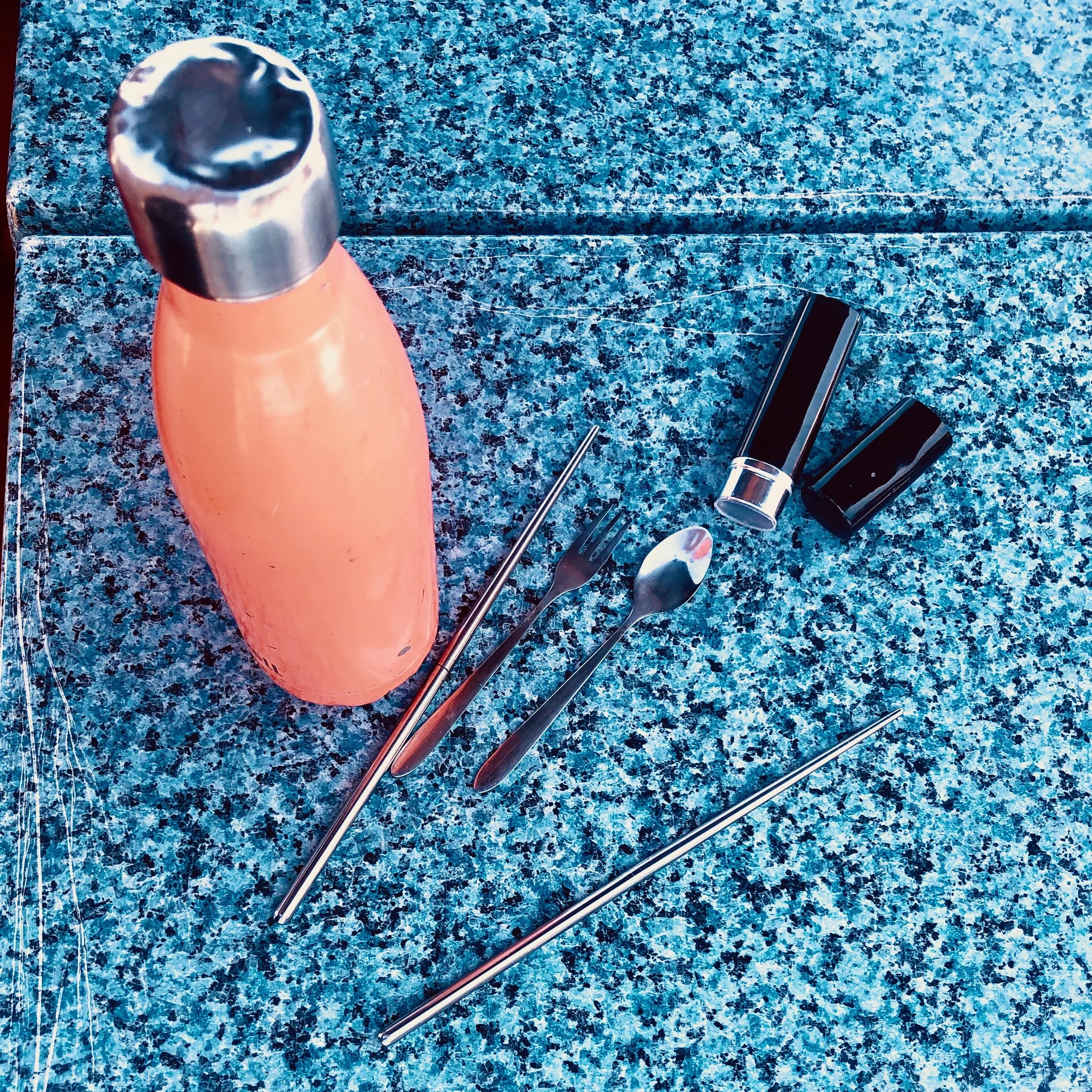
Singer and fiddler Laura Cortese tours year-round with her band, The Dance Cards. Since 2017, they have toured plastic-free. She sat down with STAC’s Laura Risk for an interview.
Laura Risk: Tell me how you started touring plastic-free.
Laura Cortese: In July 2017, a friend forwarded me an email from Green Music Australia asking, “What are you doing for Plastic-Free July?” They had launched a campaign for artists: they wanted you to take a photo of your band with your reusable water bottles and then commit to being plastic-free for the month of July.
LR: So you weren’t committing to never using single-use plastics. It was just for the month of July?

Lissa Schneckenburger
I am a full time professional fiddler and singer, as well as a mom, and resident of Brattleboro Vermont. In my twenties I regularly toured over 200 days a year, and had the privilege of traveling to many corners of the globe to perform. To this day I adore traveling, seeing new places, and meeting new people through music. I have always been self conscious about the carbon footprint of that touring lifestyle, but uncertain about how to make changes that will be sustainable both for my career and the environment. This July, in an effort to try out one possible solution, my family and I embarked on a weekend tour of shows where we traveled to each gig on bicycles.

Vermont-based musician Lissa Schneckenburger (fiddle, vocals) is planning a Musical Bike Adventure in Massachusetts and New Hampshire: a short tour entirely on bikes!
She and her husband/musical partner Corey DiMario (tenor guitar, double bass) will be hauling their gear on bikes with electric assists. They are also using this tour to spread the word to their friends, community, and politicians about the positive aspects and possibilities of bike transportation, so they’ll be coupling this tour with some targeted publicity and legislative action to support that cause.
STAC’s Laura Risk spoke with Lissa about the planning stages of this tour:

Laura Risk
Club Passim has recently eliminated plastic water bottles. The legendary music venue in Cambridge, MA now provides reusable water bottles for the green room and on stage. STAC’s Laura Risk interviews Matt Smith of Club Passim:

Liz Knowles
We were so fortunate to have a presence at the 2019 Folk Alliance in Montreal. STAC was invited to be a part of a panel called ‘It’s Easy Being Green’, discussing the ways in which sustainability is figuring in the folk music industry.

Liz Knowles
Looking at my travels from a sustainability perspective, I am struck by how many times I should have just asked. It is not in my nature—and maybe not in yours?—to ask for things that aren’t already on offer. Maybe, like me, you were brought up with a sense that asking for too much (or too often) is impolite. Frankly, sometimes it is just uncomfortable to ask for what you need.

Liz Knowles
In our first efforts to document some of our experiences on the road, collect our current knowledge about more sustainable practices, and express our broader interests as ‘artists who tour and want to be more sustainable’, I took on the topic of ‘How to Navigate an Airport more Sustainably’. I thought, ‘Wow, this is going to be easy!’ I mean, I do this A LOT and I know lots of airports and what they have to offer—as well as what they can’t provide—on a number of fronts like ‘good coffee’, ‘healthy food’, etc. And I am already a conscientious person and surely I have a lot to offer on this topic. Yeah, about that…..
Brad Hurley
You’ve just purchased a fuel-efficient car for touring, committed to eating vegetarian on the road, and started bicycling to local gigs. Then your neighbor buys a Hummer and decides to start flying to Thailand every year for his vacations. Did he cancel your impact?
Brad Hurley
Recycling is the first and often the only step that most people take to reduce waste. But it just scratches the surface of what you can do. The U.S. EPA’s Waste Management Hierarchy ranks actions according to their environmental benefits. Source reduction and reuse are at the top of the list, because they focus on avoiding waste in the first place. Recycling comes second.